
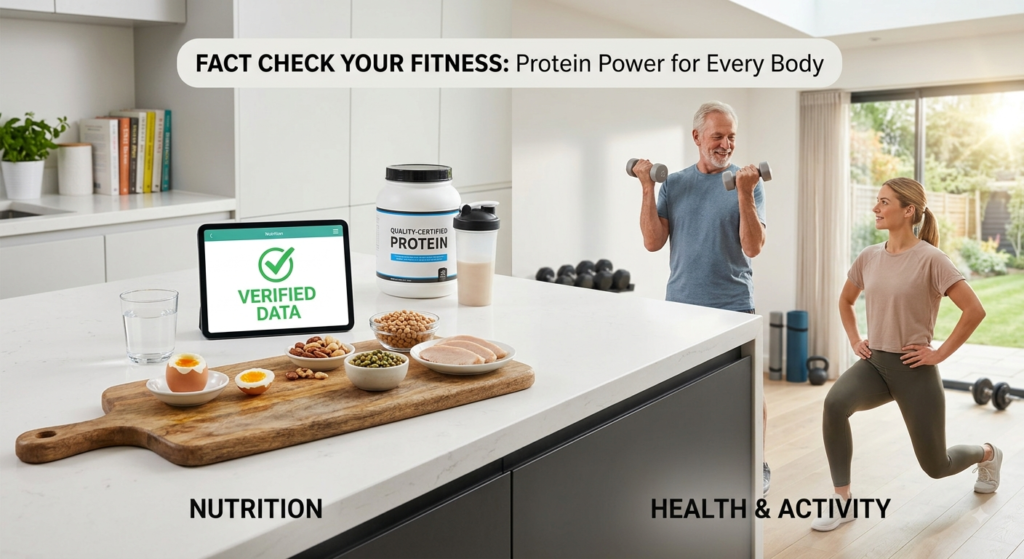
Lack of awareness is a common issue facing society today. While no one is expected to know everything, having a basic, factual understanding of our everyday health is essential. We live in an information age, but not every piece of advice circulating online or in local chatter is accurate. In today’s world, simply receiving information isn’t enough—verifying its scientific validity is crucial.
Ever since fitness and exercise gained mainstream popularity, misconceptions about protein powders have run rampant. Non-exercisers, social media users, and the general public often believe that consuming protein powder causes severe health side effects. Many people are unaware of what protein actually is. Common myths include claims that protein powder causes infertility, leads to excessive weight gain, damages internal organs, or should only be used by elite bodybuilders.
Let’s separate myth from fact and look at what science actually says about protein
What is Protein?
Proteins are among the most fundamental and complex molecules of life. They are crucial for the structure, regulation, and overall function of the body’s tissues and organs. Put simply, proteins are the primary building blocks of the human body, made up of chains of organic compounds called amino acids.
Proteins are the most abundant macromolecules found inside human cells, accounting for up to 50% of a cell’s dry weight. While the human genome contains around 20,500 genes, the human body utilizes over 100,000 distinct types of proteins to carry out daily vital functions.
Amino Acids: The Building Blocks of Life
Proteins are constructed from 20 different amino acids, which are classified into two main categories:
- Essential Amino Acids: The human body cannot manufacture these on its own. There are 9 essential amino acids, and they must be obtained entirely through the food you eat.
- Non-Essential & Conditional Amino Acids: Under normal circumstances, the body can produce these internally. However, during times of severe illness, physical stress, or intense athletic exertion, the body may require extra amounts from dietary sources.
Protein and Muscle Health
Muscle strength is required for every movement of the body—walking, running, working, and engaging in sports. As we age, maintaining muscle strength is essential for staying independent. Aging naturally leads to age-related muscle loss (Sarcopenia), which increases the risk of falls, joint wear, fractures, and chronic back pain. Adequate protein intake helps preserve muscle mass and keeps your body strong.
Symptoms and Consequences of Protein Deficiency
If the body does not receive an adequate supply of protein, it can lead to various short-term and long-term health issues:
- Stunted Growth in Children: Severe protein deficiency leads to Kwashiorkor, characterized by edema (swelling in the feet and abdomen).
- Behavioral Changes: Lack of focus, fatigue, and irritability in growing children.
- Weakened Immunity: Lower resistance against infections and prolonged illness recovery times.
- Structural Issues: Muscle weakness, fatigue, anemia, hair loss, and dry, cracking skin.
- Slow Healing: Delayed wound healing and recovery times after injury.
Recommended Daily Protein Intake (WHO Guidelines)
According to standards set by the World Health Organization (WHO), the daily protein requirement varies based on age, lifestyle, and physical condition:
| Category / Age Group | Daily Protein Need (Per kg of Body Weight) |
| Infants (0 – 6 months) | 1.5 grams |
| Infants (6 – 12 months) | 1.2 – 1.5 grams |
| Children (1 – 10 years) | 0.9 – 1.1 grams |
| Teens (11 – 18 years) | 0.8 – 0.9 grams |
| Healthy Adults | 0.8 grams |
| Pregnant Women | 1.1 grams (or an additional +10g to +25g total/day above baseline) |
| Lactating Mothers | 1.3 grams |
| Older Adults (65+ years) | 1.0 – 1.2 grams |
Note: Moderation is key. Sedentary adults should avoid consuming excessive amounts exceeding 2.0 g/kg per day over extended periods. High protein intake also requires adequate hydration—be sure to drink plenty of water to help your kidneys process nutrient waste efficiently.
Top Dietary Protein Sources
1. Animal-Based Protein Sources
Animal protein sources are considered complete proteins because they contain all 9 essential amino acids in high bioavailability (easily absorbed by the body).
| Food Item (100g serving) | State / Preparation | Approx. Protein Content |
| Chicken Breast | Cooked (Skinless) | 31 grams |
| Lean Beef / Meat | Cooked (Trimmed fat) | 26 – 28 grams |
| Fish (Tuna, Salmon, Sardines) | Cooked | 22 – 25 grams |
| Paneer (Cottage Cheese) | Raw / Fresh | 18 grams |
| Whole Eggs | Boiled (2 large eggs) | 13 grams |
| Greek Yogurt | Plain | 10 grams |
| Whole Milk | Fresh | 3.4 grams |
2. Plant-Based Protein Sources
Plant sources provide valuable protein along with fiber and antioxidants.
| Food Item (100g serving) | State / Preparation | Approx. Protein Content |
| Soy Chunks | Dry weight | 52 grams |
| Peanuts | Roasted | 25 grams |
| Almonds | Dry / Raw | 21 grams |
| Soybeans | Cooked | 16 grams |
| Oats | Dry | 13 grams |
| Tofu | Firm / Standard | 8 – 10 grams |
| Chickpeas / Lentils | Cooked | 8 – 9 grams |
Pro-Tip (Protein Combining): Some individual plant foods lack one or two essential amino acids. However, combining grains and legumes (such as rice and lentils or whole-wheat bread and peanut butter) completes the amino acid profile, giving you a full protein source.
Are Protein Powder Supplements Necessary?
Protein powders and supplements are meant to bridge the gap when your regular meals fall short of meeting your daily nutrition requirements.
For individuals engaging in heavy physical labor, weight training, or intense athletics, muscle fibers break down faster and require rapid nutrition repair. Highly digestible supplements like Whey Protein provide fast-absorbing protein right after workouts.
Likewise, elderly individuals who struggle with low appetite or digestion issues can benefit greatly from protein supplements under medical guidance.
Common Protein Powder Myths Debunked
1. Myth: Protein powder causes infertility and reproductive issues.
- Fact: Protein powders (like Whey or Soy) are simply isolated proteins extracted from milk or plant sources. They contain no hormones that interfere with fertility.
2. Myth: Protein powder damages your kidneys.
- Fact: For individuals with healthy, functioning kidneys, dietary protein does not cause renal damage. Only people with pre-existing kidney conditions need to restrict their protein intake under a doctor’s supervision.
3. Myth: Only bodybuilders should use protein powder.
- Fact: Protein is a basic macronutrient required by every human being. Anyone struggling to meet their daily intake through whole foods can safely use protein supplements.
Safety Guidelines Before Purchasing
- Always prioritize obtaining your nutrition from whole foods like eggs, dairy, poultry, fish, legumes, and nuts.
- Use protein powders only when whole-food sources fall short of your daily needs.
- Choose certified products that undergo third-party testing (such as FSSAI, Informed-Choice, or NSF) to avoid counterfeit products, added sugars, or banned substances.
Summary
Protein is an essential macronutrient vital for muscle growth, tissue repair, and overall body strength. A significant portion of the population suffers from protein deficiency due to poor dietary habits. If your daily diet fails to meet your body’s nutritional requirements, consult a doctor or nutritionist to choose a safe, quality-tested protein supplement. Prioritizing your health is the most important investment you can make in life.