
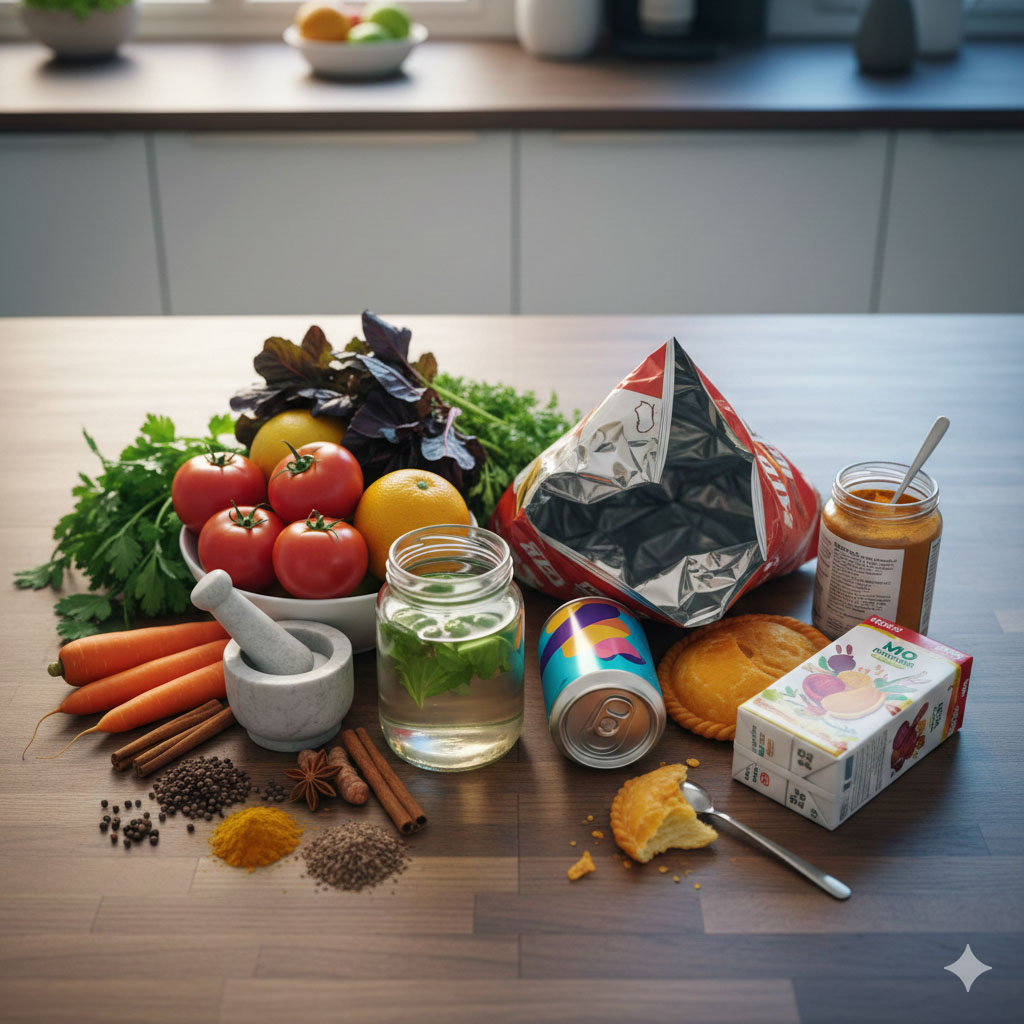
The Modern Diet: A Recipe for Health Concerns?
As the world progressed, human lifestyles underwent a massive transformation. One of the most significant changes is our diet. Home-cooked meals have become less frequent, replaced by restaurant food and ultra-processed packaged products. To keep these packaged foods “fresh” for months, manufacturers use various additives that can lead to severe health complications.
The cycle starts at the farm. To ensure high yields and combat pests, chemical pesticides are used extensively. Ironically, we consume the same crops laced with these chemicals. Furthermore, to enhance taste and extend shelf life, unhealthy additives are introduced during processing. Today, even infants are introduced to processed foods, sugary drinks, and artificial colors as early as their first birthday.
Understanding Food Additives
Food additives are substances added to food in specific quantities to preserve it, prevent bacterial growth, and maintain quality. They are used for various purposes:
- Stabilizing emulsions
- Adding vibrant colors
- Enhancing flavor and aroma
- Increasing nutritional value (in some cases)
While many traditional additives like salt and spices have been used for centuries, modern processing has introduced over 2,500 different types of additives—many of which are synthetic. Not all additives are safe; some are highly detrimental to human health.
The Long-Term Impact on Health
While some additives may not cause immediate discomfort, others can trigger reactions even in small amounts. Continuous, high-level consumption of certain additives is linked to chronic health issues, including:
- Allergies and Asthma
- Attention Deficit Disorder (especially in children)
- Digestive disorders
- Diabetes and Obesity
- Hormonal imbalances and Heart disease
- Mental health issues and even Cancer
Dangerous Food Additives to Avoid
| Additive | Commonly Found In |
| Sodium Benzoate | Soft drinks, fruit juices, pickles, and spices. |
| Propyl Gallate | Snacks, processed meats, oils, and chewing gum. |
| BHA & BHT | Cereals, chips, frozen foods, and processed meats. |
| Potassium Bromate | Baked goods, specifically commercial bread and buns. |
| High Fructose Corn Syrup | Sodas, cookies, candies, fast food, and salad dressings. |
| Trans Fats | Fried foods, margarines, and processed baked snacks. |
| Sodium Nitrite/Nitrate | Bacon, hot dogs, salami, and smoked fish. |
| MSG (Monosodium Glutamate) | Instant noodles, canned soups, and fast food. |
| Artificial Sweeteners | Diet drinks, sugar-free gum, and low-calorie snacks. |
| Artificial Colors | Candies, kids’ cereals, and bright-colored beverages. |
The Path to Safer Eating
While food additives are often necessary for mass production, many are inherently harmful. Governments worldwide, including India, have banned certain substances and mandated strict labeling for others. However, the ultimate responsibility for health lies with the consumer.
Steps you can take today:
- Prioritize Natural Foods: Opt for home-cooked meals using fresh, whole ingredients.
- Clean Your Produce: Wash fruits and vegetables in salt water or vinegar to reduce pesticide residues.
- Protect Children: Avoid giving children foods with artificial colors and excessive sugar.
- Read Labels: Always check the ingredients list on food packets before purchasing.
- Limit Processed Items: Minimize the consumption of canned and preserved foods.
Every human life is valuable, and access to safe, nutritious food is a fundamental right. Organizations like the Food Safety and Standards Authority (FSSAI) work to ensure quality, but being an informed consumer is your best defense against lifestyle diseases