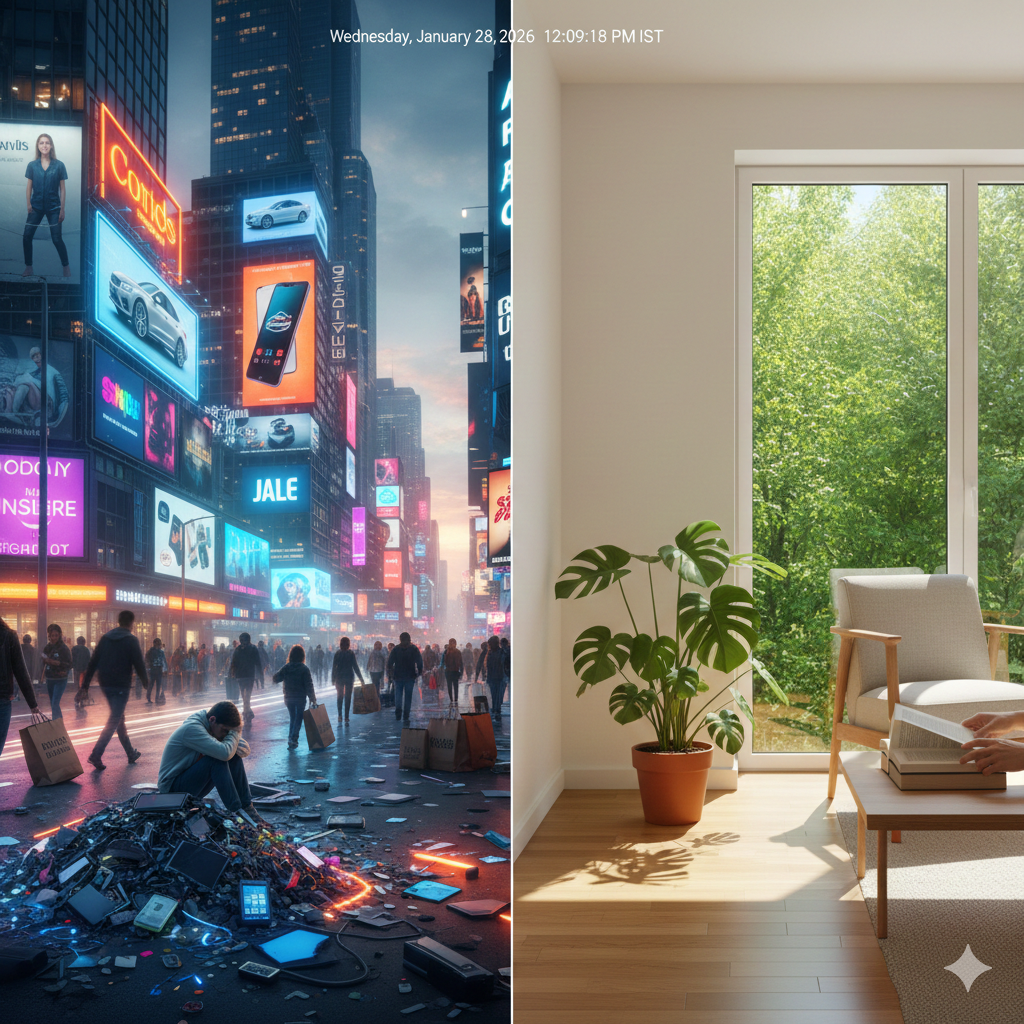
In the modern era, as the global population surges, the world is expanding at an unprecedented rate through consumerism. Consumers are the engines of national progress, driving economic growth and creating employment opportunities. As a nation prospers, the government gains the resources necessary to implement vital development projects for its people.
From Necessity to Excess
Once, human needs were limited to the basics: food, water, and clothing. However, following the Industrial Revolution, new needs emerged and multiplied, ballooning into a massive consumerist system. We transitioned rapidly from an agricultural economy to a production-based one. Producers cleverly used advertising to introduce new technologies, goods, and services to every corner of the globe, making them appear essential to everyone.
Today, manufacturers cater to every demographic, from the impoverished to the ultra-wealthy. We have evolved from walking and animal-drawn carts to electric cycles, private jets, and superyachts. In a world where every second is monetized, it is now impossible to imagine a life without mobile phones, computers, and television.
What is Overconsumption?
If a person consistently uses goods and services beyond their actual needs, it is called overconsumption. It begs the questions: Do we need everything available in the market? Are we buying only what is necessary? Is there any real benefit to owning multiples of the same item? And most importantly, do these products truly deliver the quality promised in advertisements?
Understanding Human Needs
Historically, human needs were categorized into five primary levels:
- Physiological Needs: Food, water, shelter.
- Safety Needs: Good health, a steady source of income.
- Social Needs: Friendship, trust, acceptance.
- Esteem Needs: Self-respect, dignity, competence, freedom.
- Self-Actualization: Becoming the best version of oneself.
While these remain fundamental, modern life—especially in developed societies—has introduced “added needs.” For instance, while the internet existed before COVID-19, the pandemic transformed it into a vital necessity for education, information, and staying connected.
The Trap of the Digital Age
The rapid invasion of Information Technology has changed the world. While it created jobs and brought services to our doorsteps, it also fueled an obsession with “stuff.” Factors like the growth of e-commerce, aggressive advertising, Easy Monthly Installments (EMI), and constant discounts have lured people into a cycle of relentless buying.
Consider the smartphone market. A basic phone for calls and internet costs around $70. Yet, many people—even those with low incomes—opt for phones costing over $1,200 via EMIs. Even if their current device works perfectly, they feel compelled to upgrade as soon as a new model arrives. For many, an expensive phone or luxury brand has become a primary part of their identity.
The Consequences: Debt and Waste
This lifestyle is leading many into a debt trap. In India, for example, the gross household savings rate fell to a four-decade low of 29.7% in 2022–23. This decline is a direct result of rising consumerism.
Beyond finances, there is the devastating environmental impact. We produce goods using the earth’s limited resources, only for them to eventually become non-biodegradable waste. Our food culture is equally problematic; while millions go hungry, massive amounts of cooked food from hotels and homes end up in landfills.
The Psychological Hook
Consumerism is no longer just about utility; it is a source of emotional satisfaction. Brands use influencers, celebrities, and “limited edition” tags to create an artificial sense of urgency and status. Capitalism rewards this growth, encouraging us to buy more than we need to feel “successful.”
The Solution: Minimalism
The most effective antidote to overconsumption is Minimalism.
- Need vs. Want: Before buying, ask: “Is this a necessity or just a temporary desire?”
- Quality over Quantity: Instead of buying many cheap items, invest in one high-quality product that lasts.
- Waste Management: Be mindful of food waste and prioritize recycling and repurposing.
Conclusion
While the flow of money is necessary for economic growth, it must be sustainable. True happiness does not come from material possessions but from experiences and meaningful relationships. Excessive consumption leads to resource exploitation and pollution, leaving nothing for the next generation. It is time we choose a lifestyle that honors both our well-being and the planet.